Brit Milah

Brit Milah - The Jewish Way

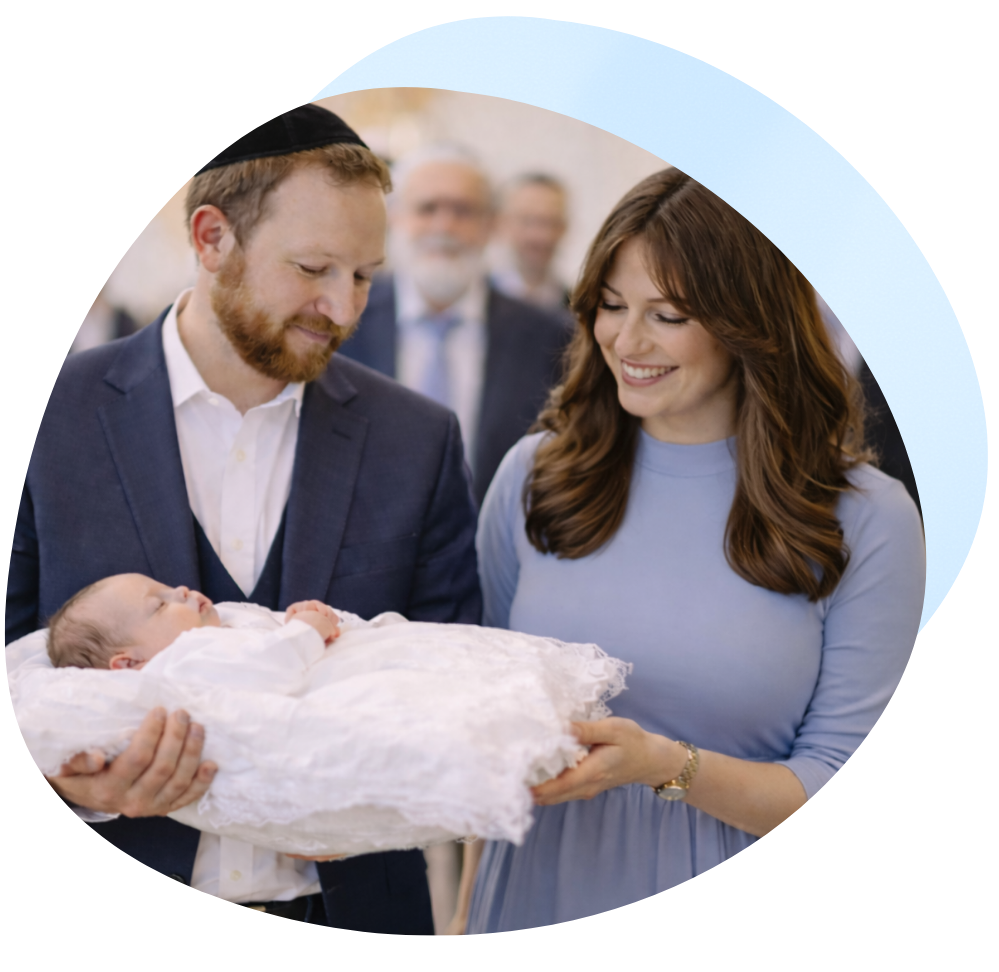
Brit Milah is not only a cherished tradition, but a direct commandment given in the Torah, first established with Abraham and reaffirmed for all generations. It represents a permanent sign of the covenant between G-d and the Jewish people — a covenant that is physical, spiritual and eternal. Unlike many mitzvot that are expressed through action or intention, Brit Milah is carried on the body itself, symbolising lifelong commitment and identity from the very beginning of life. Performed on the eighth day whenever possible, Brit Milah reflects the Torah’s emphasis on both precision and holiness. The timing, procedure and intention are all deeply rooted in halachah, underscoring the sanctity of the moment and the responsibility entrusted to those who perform it. Through this mitzvah, a newborn is formally welcomed into the continuity of Jewish history, faith and responsibility. Rabbi Lezer Lampin approaches every Brit Milah with a profound sense of reverence for this divine commandment. His work reflects not only technical expertise, but a deep awareness of the spiritual significance of the mitzvah, ensuring that each Brit Milah is carried out fully in accordance with Torah law, Jewish tradition and the dignity of the child and family.
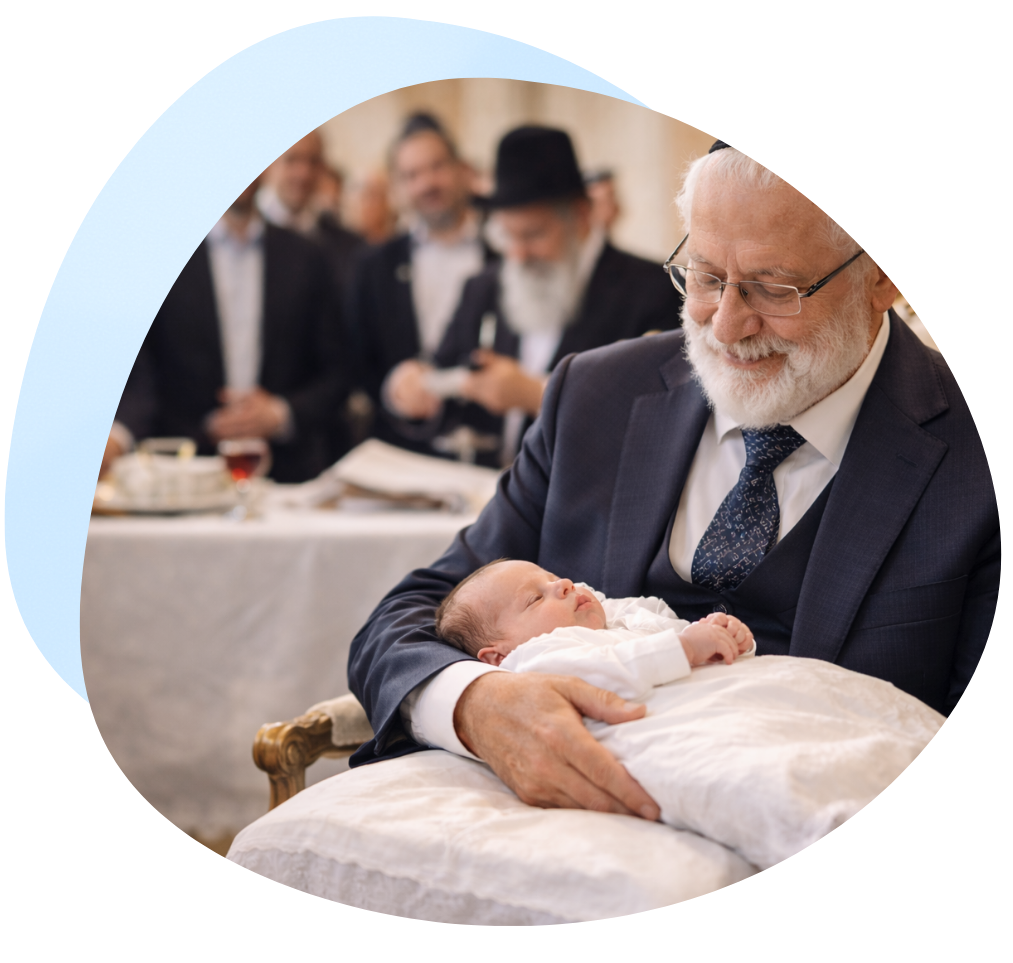
A Commandment Rooted for Generations

Brit Milah is a biblical commandment (mitzvah) given directly by G-d. It is sourced in Genesis 17, where G-d commands Abraham to circumcise himself and all male members of his household as a sign of the everlasting covenant. “And you shall circumcise the flesh of your foreskin and it shall be a sign of the covenant between Me and you.” (Bereishit / Genesis 17:11) Abraham was the first person to perform circumcision, carrying out this commandment at the age of 99, demonstrating absolute faith and devotion. From that moment onward, Brit Milah became an eternal part of Jewish life.

Faith, Heritage and Health

While circumcision is first and foremost a sacred Jewish commandment, it is also accompanied by rich traditions and customs that have been upheld for generations. These include the preparation of the Kisei Shel Eliyahu HaNavi (the Chair of Elijah), symbolising the eternal covenant between G-D and the Jewish people and reinforcing the deep spiritual significance of the occasion. It is during the Brit Milah that the baby is formally given his Jewish name, as we say “Vekora shemo b’Yisroel”—at this moment, he is named and welcomed into the Jewish nation. For parents who are not familiar with this process, there is no need to worry at all; everything is clearly explained and guided with care, ensuring the moment feels meaningful, calm and special. Alongside its profound religious importance, circumcision is also widely recognised for its medical and health benefits, including improved hygiene and a reduced risk of certain infections. For these reasons, circumcision is also practised by many non-Jewish families around the world, often for medical or personal considerations. What has stood at the heart of Jewish life for millennia is now recognised across cultures as both deeply meaningful and beneficial—uniting timeless tradition with proven health advantages.

Honours and Customs

The Sandek

The role of Sandek is considered one of the greatest honours of the Brit Milah. The Sandek holds the baby securely during the circumcision, symbolising continuity, protection and the passing of tradition from one generation to the next.

The Kvatter

The Kvatter (and Kvatterin) have the honour of carrying the baby into the room where the Brit Milah takes place. This role is traditionally given to a respected couple and is often offered to grandparents, siblings, or close relatives. It is considered a beautiful segulah (auspicious merit) and many families choose to give this honour to a couple who are hoping for children, as it is traditionally associated with blessing and continuity. For this reason, it is one of the most cherished and meaningful honours of the ceremony.

Wine and Blessings

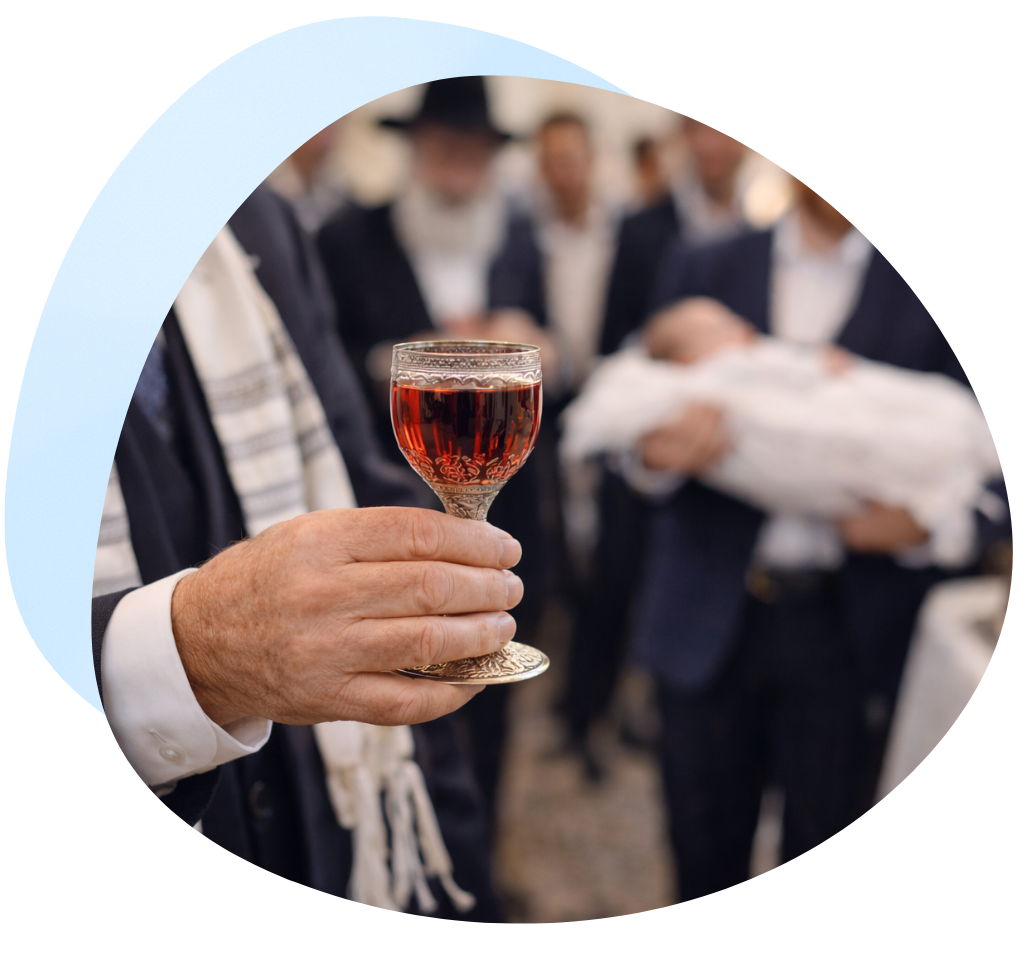
Wine plays a central role in the Brit Milah, representing joy, sanctity and celebration. Special blessings are recited over a cup of wine, which is carefully handled and presented by the rabbi at the appropriate moments during the ceremony. This is also a special time for prayer, adding a gentle rhythm and sense of occasion to the proceedings.

The Seuda

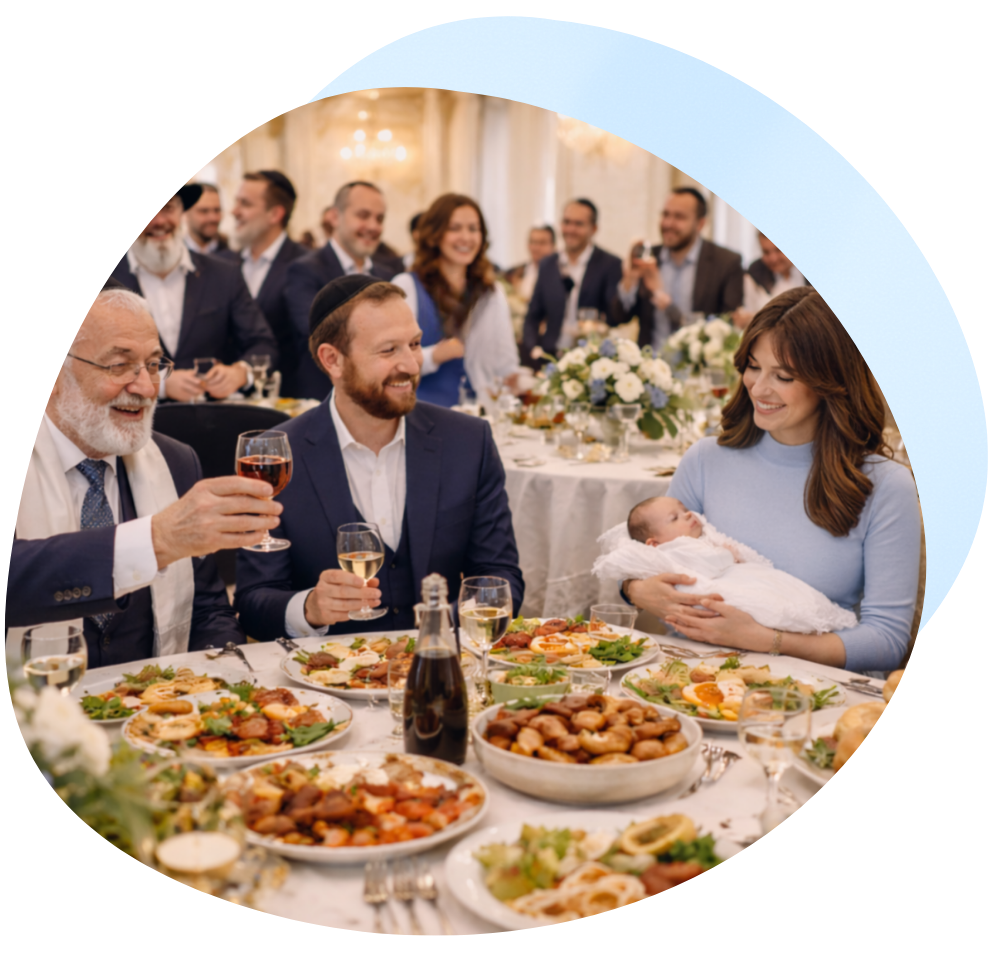
Following the circumcision, it is customary to hold a seudah—a celebratory meal shared with family and friends. This meal marks the joy of the occasion and expresses gratitude for safely reaching this meaningful milestone. Even a simple gathering carries great significance, as it allows loved ones to come together, offer blessings and celebrate the baby’s entry into the covenant in an atmosphere of warmth, unity and joy.
Speak Directly with Rabbi Lampin

Request A Callback

Fill out the form and Rabbi Lampin will call you shortly.